
June 25, 2026
The Don Baba Northside Review: A Body of Work Built to Last
Read More
July 11, 2026
By Prime Example Records
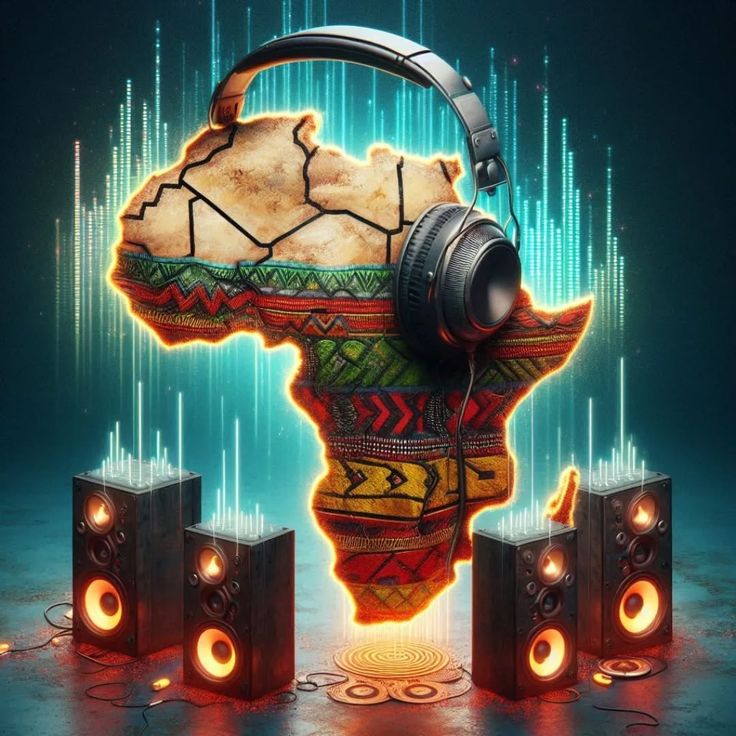
Ten years ago Afrobeats was a genre the mainstream did not know what to do with. Today it is one of the most dominant sounds on the planet.
That did not happen by accident. It happened because a generation of artists refused to shrink themselves to fit a market that was not ready for them.
The Big Three are where this story starts.
Wizkid was the first to crack the international market in a way that could not be ignored. His feature on Drake's One Dance in 2016 became the first Nigerian song to top the Billboard Hot 100. That single moment did not just elevate Wizkid. It told the world that Afrobeats had arrived and was not asking for permission.
Davido brought the energy and the anthems. With hits that dominated African airwaves and crossed into diaspora markets in the UK, US, and Canada, he built one of the most loyal fan bases in the culture. His ability to connect with everyday people while operating at the highest level of the industry made him a bridge between the streets and the stadiums.
Burna Boy came with something different. He called it Afro-fusion, a sound that pulled from Afrobeats, dancehall, reggae, and R&B simultaneously. His 2020 Grammy win for Best Global Music Album was a defining moment not just for his career but for the genre's credibility on the world stage. After that Grammy, no institution could pretend Afrobeats was a trend.
The scale of what they built together is worth pausing on. Afrobeats is now the most streamed African genre on every major platform globally. Artists from Lagos headline Coachella, Glastonbury, and Madison Square Garden. A genre that a decade ago was told it was regional is now genuinely global. And it crossed over without compromising what made it distinct. Afrobeats did not become palatable to the mainstream by sounding like the mainstream. It expanded the mainstream by refusing to.
What the Big Three built, the new school inherited and expanded.
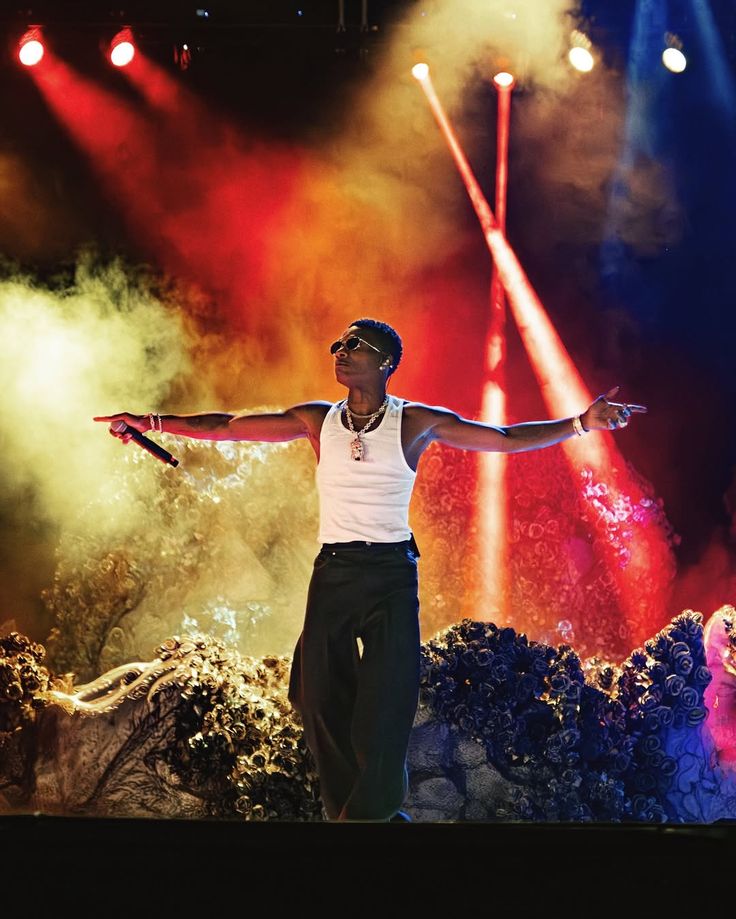
Rema's Calm Down became one of the most streamed Afrobeats songs in history and introduced the genre to audiences that had never engaged with it before. His collaboration with Selena Gomez put Afrobeats into mainstream pop territory without diluting what made the sound distinct. That balance, reaching new audiences without losing cultural identity, is harder than it looks.
Tems arrived with a voice and a presence entirely her own. Her feature on Wizkid's Essence introduced her to the world and her work with Drake and Future proved she could move across genres without losing herself. She is now one of the most in-demand artists globally, regardless of genre or geography.
Asake brought the Afrobeats and Amapiano blend to a new level of commercial success while staying rooted in Yoruba culture and language. BNXN brought melodic depth and lyrical texture that expanded what Afrobeats could sound like. The new school is not one sound. It is a conversation.
The rise of Afrobeats is not just a music story. It is an infrastructure story.
For decades African artists were told they needed to relocate to London, New York, or Los Angeles to build international careers. The Big Three proved you could build from Lagos and take the world to you. That was the permission slip the new school needed. You do not have to leave home to reach the world. You have to be undeniably yourself.
For independent artists in markets like Toronto, where Afrobeats has a massive and deeply committed audience, this shift represents a real opportunity. The demand is here. The community is here. The culture is here. The artists who understand both the music and the business are the ones who will build the infrastructure to serve it properly.
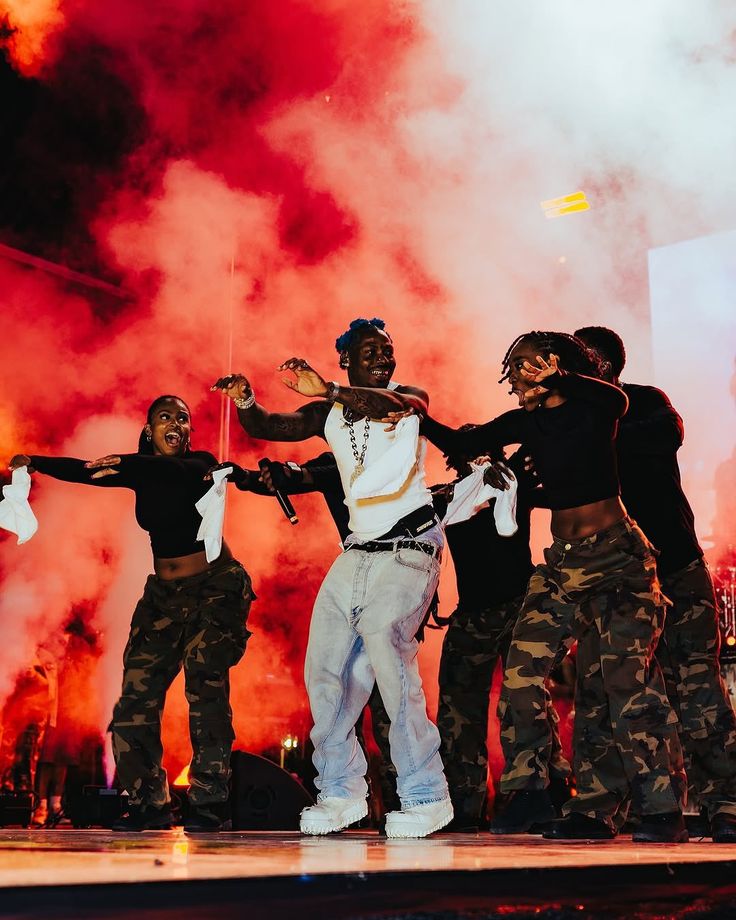
Afrobeats is not a rising genre anymore. It is a dominant one.
The conversation has shifted from whether it will break globally to how deep its global roots will go. The next chapter belongs to the artists and the labels who understand the culture well enough to build around it for the long term, not just to chase the moment while it is hot.
At Prime Example Records, we have always believed that music with real cultural roots outlasts trends. Afrobeats is proving that at scale. The genre has earned its place. The next move is to hold it.
Prime Example Records is a Toronto-based music and entertainment company focused on artist development, digital campaigns, and event production. PrimeExample.ca
Prime Example Records
July 11, 2026

Do You Wanna
Corporate Spot