
June 25, 2026
The Don Baba Northside Review: A Body of Work Built to Last
Read More
The old model is gone. Sell records, collect royalties, repeat. That economy collapsed a long time ago and it is not coming back. What replaced it is more complex. But for independent artists who understand the current landscape, there are more real ways to build income than at any point in the history of this industry.
Here is where the money actually comes from in 2026.
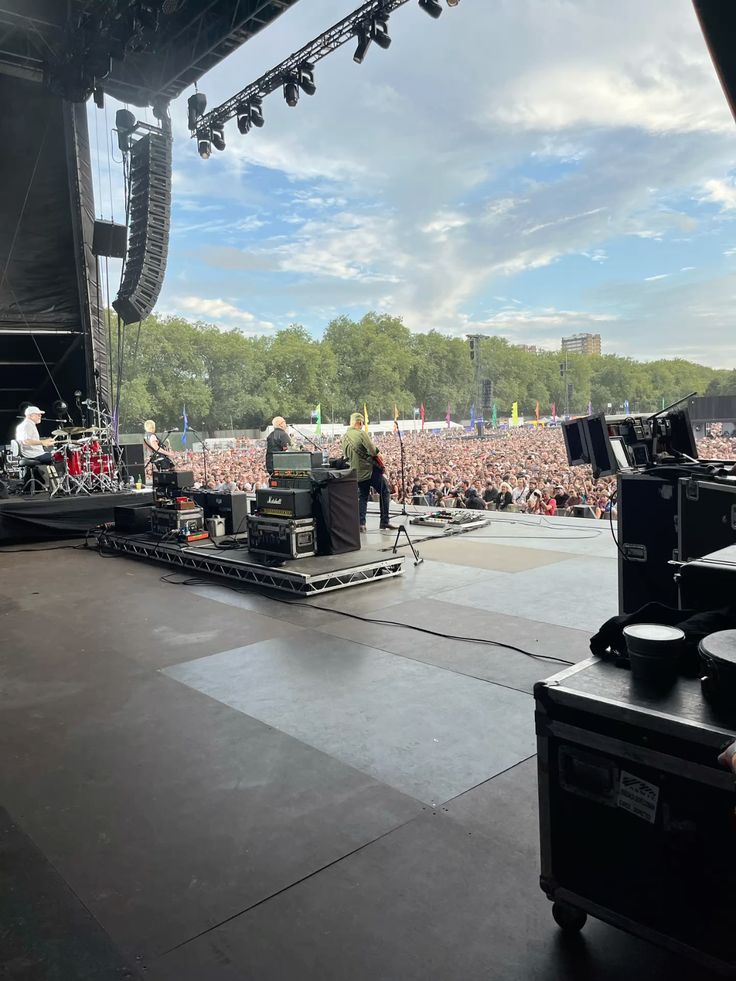
Live performance is still the most reliable income source for independent artists. Not close.
A sold-out 200-person show at $20 a ticket generates $4,000 in a single night. A ten-show regional run does $40,000. No algorithm, no playlist placement, and no streaming deal comes close to that return for an independent artist.
Live performance also compounds. Every person in that room who did not know you before that night knows you better when it ends. Fans who see you perform live spend more money on everything connected to your career. The ticket is the entry point. The relationship is the product.
Merchandise is one of the most underutilized income streams for independent artists at the early and mid-career stage.
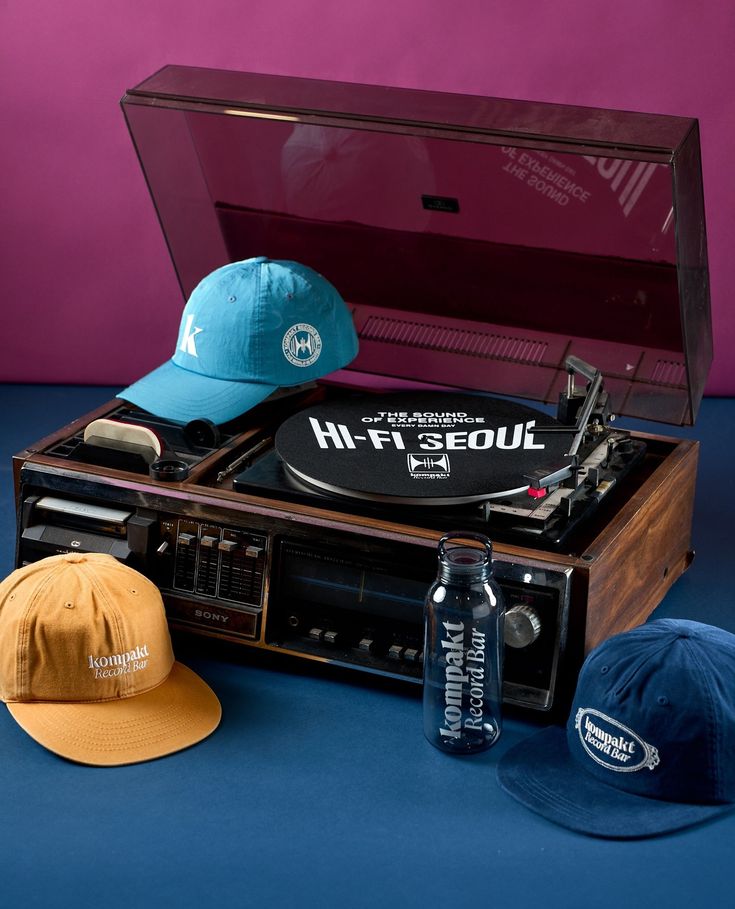
A fan who connects with your music and your identity will spend money on a physical representation of that connection. A hoodie. A hat. A limited run poster. The margins are significantly better than streaming. A hoodie that costs $18 to produce and sells for $65 generates $47 in gross profit. That same $47 would require roughly ten thousand Spotify streams.
The artists who build merchandise into their brand early, rather than treating it as an afterthought, create a revenue stream that grows with their audience and does not depend on any platform to pay out.
Sync licensing is one of the highest value and most overlooked opportunities available to independent artists.
Sync means your music is placed in a film, television show, commercial, or video game. The music plays. You get paid. A single sync placement can generate anywhere from a few hundred dollars for an independent production to tens of thousands for a major television or commercial placement. One placement can pay more than a million streams.
Sync also does something streaming cannot. It introduces your music to audiences who were not looking for you. Getting into sync requires registering your music properly, working with a publishing administrator, and in some cases pitching directly to music supervisors. The setup takes work. The return is worth it.
YouTube ad revenue is not a primary income source for most independent artists, but it is a passive layer that costs nothing to activate once your content is live. If your music has a presence on YouTube through official videos, lyric videos, or content that uses your catalog, you are eligible to earn ad revenue through the YouTube Partner Program. It stacks with everything else.
Direct fan platforms like Patreon and Bandcamp let you generate income from your most committed fans without a label, distributor, or streaming platform taking a cut.
Bandcamp lets fans pay what they want for your music and buy merchandise directly. Patreon lets fans pay a monthly subscription in exchange for exclusive content, early access, or direct connection. These platforms work best once you have a core fan base that already wants to support you. They are not discovery tools. They are conversion tools.

Brand partnerships and endorsements grow with your profile. Headphone companies. Clothing brands. Beverage companies. Software tools used by artists and producers. The key is alignment. Partnerships that fit your brand strengthen your credibility. Ones that do not erode it fast.
At Prime Example Records, we help artists build toward all of these streams simultaneously because no single one of them builds a music career on its own.
The artists who sustain themselves financially in 2026 are the ones who stack multiple revenue streams and let each one support the others. Streaming builds discovery. Live performance builds income and deepens fan loyalty. Merchandise converts loyalty into revenue. Sync extends your reach to new audiences. Direct platforms monetize your most committed fans. Brand partnerships reward the credibility you build over time.
Understanding all of it is what separates artists who treat music as a business from artists who are still waiting for one stream to change everything.
Prime Example Records is a Toronto-based music and entertainment company focused on artist development, digital campaigns, and event production. PrimeExample.ca
Prime Example Records
June 30, 2026

Do You Wanna
Corporate Spot