
June 25, 2026
The Don Baba Northside Review: A Body of Work Built to Last
Read More
Napster did not kill the music industry. It just showed everyone how fragile it had always been.
In 1999, a college student named Shawn Fanning built a program that let people share music files with each other for free over the internet. The music industry called it theft. Fans called it the future. They were both right. Napster was shut down by 2001 following years of legal battles with major labels. But the idea it introduced, that music should be instantly accessible and friction-free, never went away.
It just got a business model.
Before Napster, the industry ran on a simple transaction. Artists recorded albums. Labels pressed and distributed physical copies. Fans paid for them. Revenue flowed from that purchase. Every dollar was traceable.
Napster broke the transaction.
Once fans discovered they could access music instantly without paying, the willingness to pay for recorded music collapsed. Album sales fell steadily through the early 2000s even as digital downloads from legal platforms like iTunes were rising. The industry was losing revenue faster than it could replace it.
The labels responded with lawsuits. They sued Napster into shutdown and then spent years pursuing individual file sharers across the internet. None of it worked. Every platform they killed was replaced by another. Piracy migrated from Napster to LimeWire to BitTorrent to a dozen other services because the demand for free music never went away. Only the delivery mechanism changed.
What the industry was slow to understand is that the problem was not illegal technology. It was a cultural shift in how people valued recorded music. Once something became available for free, pricing it as a premium product required a compelling reason to pay. The labels could not manufacture that reason through litigation.
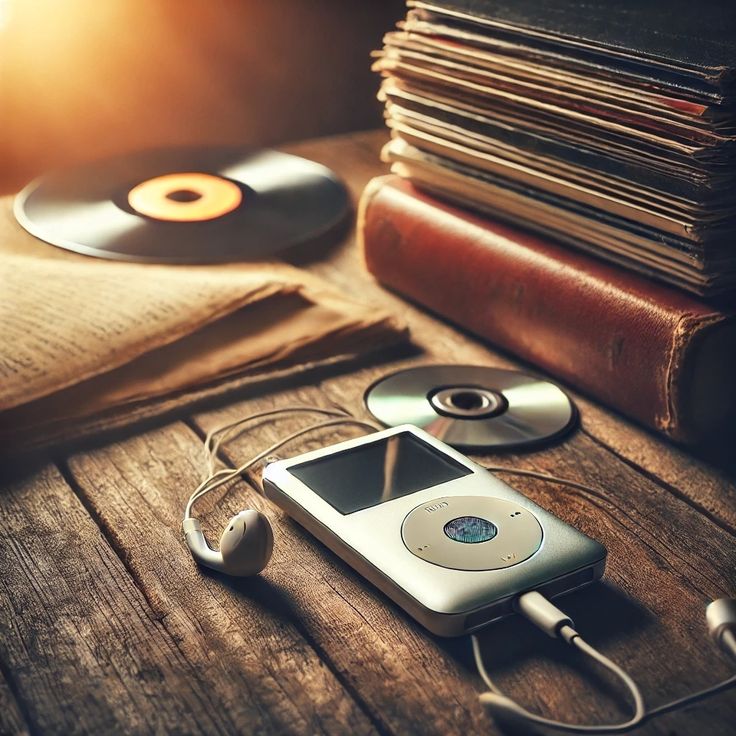
Apple tried to solve it with iTunes in 2003. Legal songs for 99 cents. Clean, fast, reliable. Digital sales rose through the mid-2000s and for a moment it felt like a real answer. But iTunes did not fix the underlying math. A 99-cent song generated a fraction of the revenue that a $15 album once had. The industry was running more transactions and making less money.
Then Spotify arrived in North America in 2011 and changed the equation permanently.
The pitch was elegant. Every song ever recorded, available instantly, for a monthly fee less than the cost of one album. Streaming did what piracy never fully managed to accomplish: it made legal access so frictionless and so affordable that the case for downloading illegally largely disappeared.
But the solution that saved the industry from piracy created a different problem for artists.
The per-unit economics of streaming are dramatically worse than anything that came before. A song that once earned a royalty from a 99-cent sale now earns fractions of a penny per play. A million streams on Spotify generates somewhere between three and five thousand dollars gross before anyone takes their cut. For an independent artist without a massive catalog or a major label marketing machine, that number is not a business. It is a consolation prize.
The artists generating real streaming income are largely the ones who already had massive audiences built through other means. Streaming rewards scale. It rewards volume. It rewards artists who were already winning before the platform existed.

This is the reality independent artists are building careers inside of in 2026. Streaming solved a problem for the music industry as a whole while creating a different version of it for everyone operating outside the top tier.
What Napster started and streaming finished is the permanent decoupling of music access from music payment. Fans can now hear everything you have ever made for a fraction of a penny per play. That is not going to change.
At Prime Example Records, we build artist strategies that account for this reality from day one. The artists who are winning are the ones who accepted what streaming is and what it is not. It is a discovery engine. It is a catalog tool. It is not a primary income source, and treating it like one is one of the most expensive mistakes an independent artist can make.
The platform plays your music. You have to build everything that happens after.
Prime Example Records is a Toronto-based music and entertainment company focused on artist development, digital campaigns, and event production. PrimeExample.ca
Prime Example Records
July 7, 2026

Do You Wanna
Corporate Spot