
June 25, 2026
The Don Baba Northside Review: A Body of Work Built to Last
Read More
Few debates in African music history run as deep or as passionate as this one.
The Azonto is one of the most recognizable dance styles to come out of West Africa. It sparked a global movement, crossed into the mainstream, and became a cultural export that put Ghana on the world map in a way that few things had before. Entire communities abroad learned it. The internet spread it faster than any radio station could.
But where did it actually come from?
The answer is Ghana. Full stop.
The Azonto is a dance style characterized by mimicking everyday actions through movement. Cooking, driving, ironing, sweeping. The dancer takes ordinary life and turns it into rhythm. It is playful, expressive, and deeply rooted in the social culture of Ghana, particularly Accra. The music that accompanied it blended highlife, hiplife, and electronic production into something that felt both traditional and completely modern. It was danceable at every level.
The style emerged from the streets of Accra in the late 2000s and was popularized through Ghanaian hiplife culture. Artists like Fuse ODG, Sarkodie, and the group Wanlov the Kubolor were among the early voices associated with the sound and the movement. The 2012 song Azonto by Fuse ODG featuring Tiffany is widely credited as the track that took the dance from Ghanaian streets to international audiences. Ghanaian youth had been developing variations of this movement style for years before it even had a name attached to it.
So where does the confusion come from?
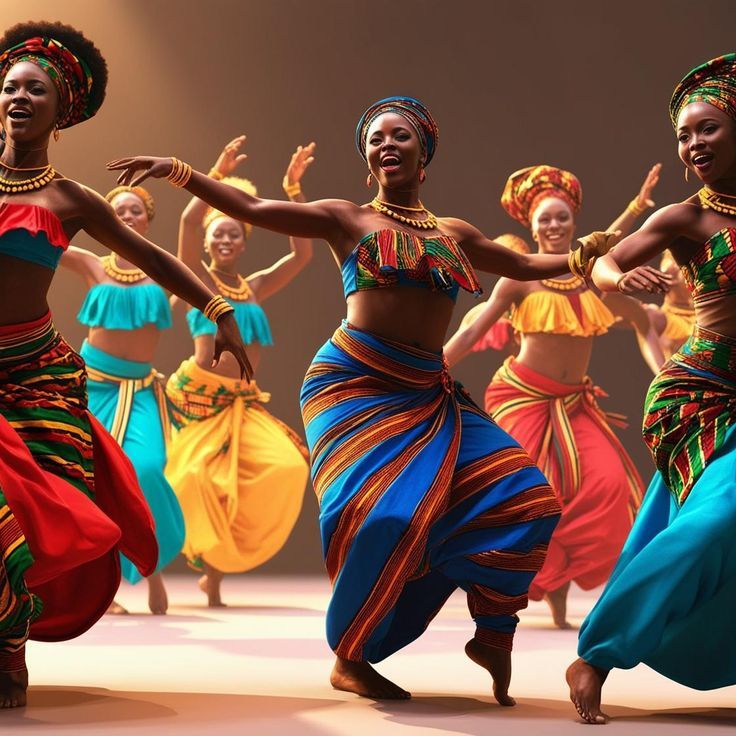
Partly from speed. The Azonto spread so fast and was adopted by so many artists across West Africa simultaneously that in some markets the dance became associated with Afrobeats broadly rather than with Ghana specifically. Nigerian artists incorporated elements of the Azonto into their own performance styles. As Afrobeats grew globally, the Azonto traveled with it, and the specific origin got blurred in the process.
There is also the broader question of how dance styles evolve across borders. West African communities share deep cultural and rhythmic connections. Movement traditions do not always respect national lines. The Azonto drew from a well of West African dance culture that predates any single country's claim to it.
But drawing from a shared cultural tradition is different from originating a specific, named, and globally recognized dance form. The Azonto as the world knows it came from Ghana. That distinction matters.
Credit shapes industry narrative, cultural legacy, and economic opportunity. When a music style or dance movement is correctly attributed to its origin, the artists, producers, and communities that built it receive recognition that translates into bookings, partnerships, media coverage, and cultural authority. When that attribution gets blurred, those same communities lose out on the rewards their creativity generated.
Ghana has produced some of the most innovative music and dance culture in West Africa for decades. Highlife. Hiplife. Azonto. Afropop with distinctly Ghanaian DNA. The country's contribution to African music is significant and consistently underrepresented in the global conversation that tends to center Nigeria when it talks about West African music. Getting the Azonto story right is part of getting that larger story right.
For independent artists navigating the Afrobeats and Afro-fusion wave right now, the Azonto story is instructive. Build from your culture. Root your music in something real. Audiences can feel the difference between an artist drawing from a genuine tradition and one chasing what is already popular. The artists who make a lasting mark are the ones who know exactly where they come from and are not afraid to say so.

The Azonto's impact is undeniable. It introduced a generation of global audiences to Ghanaian music and culture at a moment when Afrobeats was beginning its rise to mainstream dominance. It proved that a dance style rooted in the everyday life of Accra could move a crowd in London, Toronto, New York, and Lagos simultaneously. That kind of cultural reach does not happen by accident. It happens because something is genuinely connected to real human experience.
At Prime Example Records, we believe in giving credit where it is due and building on the full weight of the culture that came before. The Azonto belongs to Ghana. And Ghana should wear that legacy with everything it is worth.
Prime Example Records is a Toronto-based music and entertainment company focused on artist development, digital campaigns, and event production. PrimeExample.ca
Prime Example Records
July 15, 2026

Do You Wanna
Corporate Spot